Uncategorised

Cranes

cranes

The future in the freezer – How we are saving cranes

They fly across the sky in perfect V formations, their trumpeting calls echoing through the air: cranes. For thousands of years, these elegant birds have connected continents, spread seeds and kept ecosystems in balance.
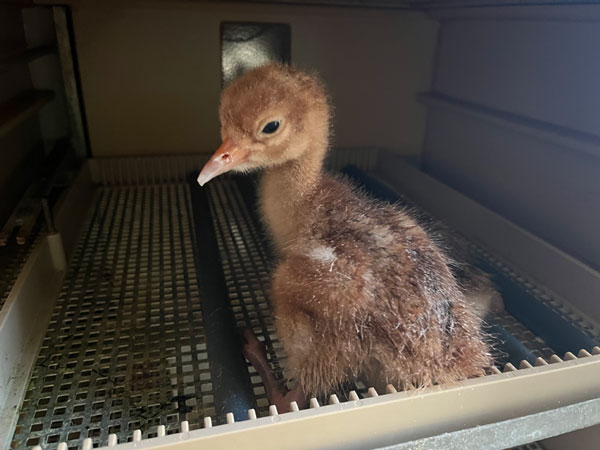
Newly hatched crane chick

Newly hatched crane chick

But their future is at stake. Of the fifteen species of crane worldwide, most are considered endangered. Only two rapidly shrinking populations of snow cranes remain in the wild, along with a few hundred animals in breeding programmes. The cause? Us humans. Wetlands are being drained, dams are being built, breeding habitats are disappearing, and migration routes are being blocked.

What makes rescue even more difficult is that crane sperm loses its fertilising capacity after just a few days of artificial insemination. Breeding programmes often produce offspring from behaviourally incompatible pairings – when animals do not accept each other or are not compatible in terms of timing. In small populations, where every chick counts, this becomes an existential problem.
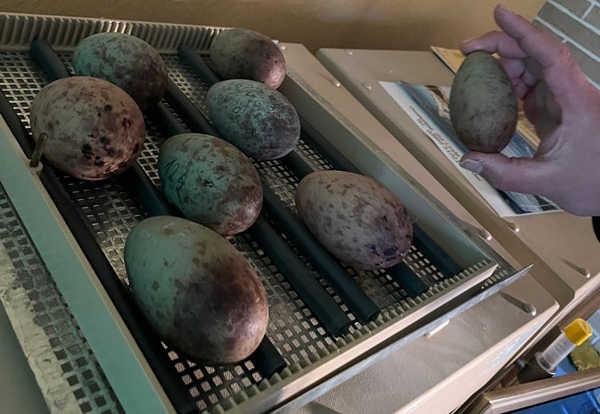
Crane eggs in the incubator

Crane eggs in the incubator

Science fiction becomes reality: minus 196 degrees for eternity

This is where a solution comes into play that sounds like something from the future, but has been working for a long time: cryopreservation. At minus 196 degrees Celsius in liquid nitrogen, sperm can theoretically be stored indefinitely – a genetic backup for endangered species.

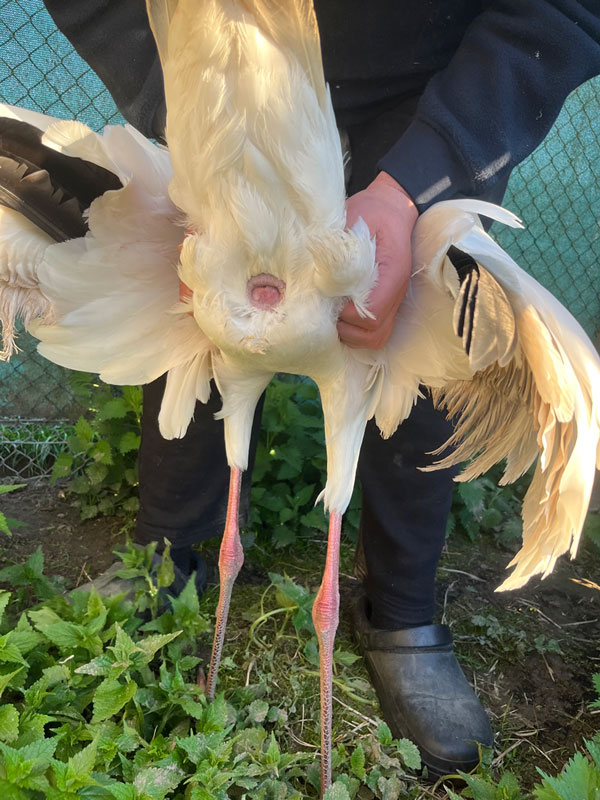
The advantage: both sperm collection and artificial insemination are relatively straightforward and gentle procedures in cranes. However, each species is unique. For cryopreservation to work, a tailor-made protocol must be developed for each crane species: what protective substances does the sperm need? How quickly must it be frozen?

A mobile laboratory and a mission

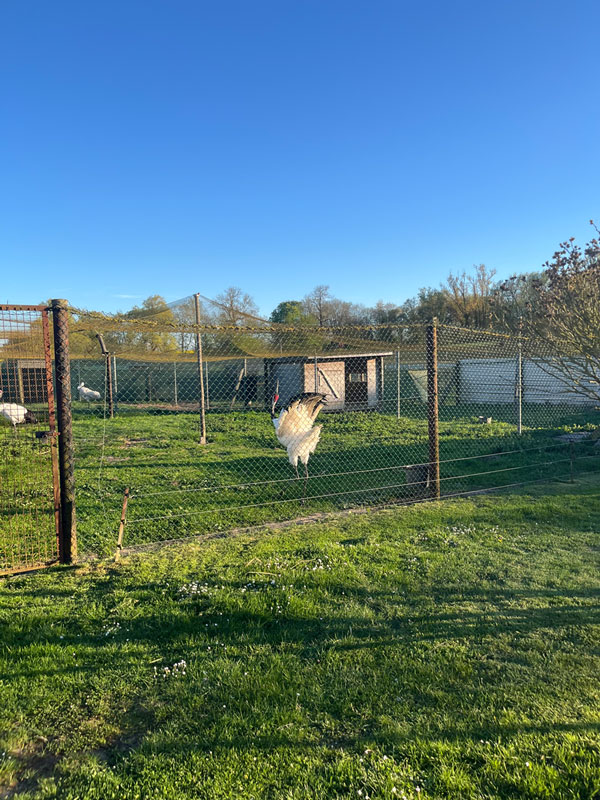
In Gnevkow, Mecklenburg-Western Pomerania, two private owners care for 13 of the 15 crane species – a treasure that is virtually unique in the world. Together with them, the Leibniz Institute for Zoo and Wildlife Research is developing species-specific protocols for cryopreservation of sperm and artificial insemination.

A mobile sperm laboratory with a freezing unit, analysis system and transportable nitrogen containers is used. One parameter is crucial: sperm motility after thawing – in other words, how many sperm are still moving. This determines whether live chicks can be produced.

The results so far are promising: depending on the species, sperm motility after thawing ranges between 18 and 50 percent. Results of 30 to 50 percent have already been achieved for the grey crane, black-necked crane, snow crane and black-crowned crane. For other species, the results are only ten to 20 percent so far – further optimisation is ongoing here.

The next steps: From sample to biobank

What is planned for the coming years 2026 and 2027 sounds ambitious – and indeed it is:

The protocols are being further developed, especially for species with lower motility. At the same time, the Leibniz-IZW is creating a biobank for endangered crane species – a genetic treasure trove for future generations. High-quality frozen semen is used for targeted insemination to prove that this not only works on paper, but also produces real chicks.

Genetic analyses to determine paternity provide clear evidence of success. At the same time, they show which lines are particularly valuable and where breeding measures are most urgently needed. Biobanking standards are being established to ensure that the system remains stable and internationally compatible in the long term.

Why we support this project

Cryopreservation fundamentally changes the possibilities for species conservation.

  • Cranes

    IMG 7406 Web

  • Cranes

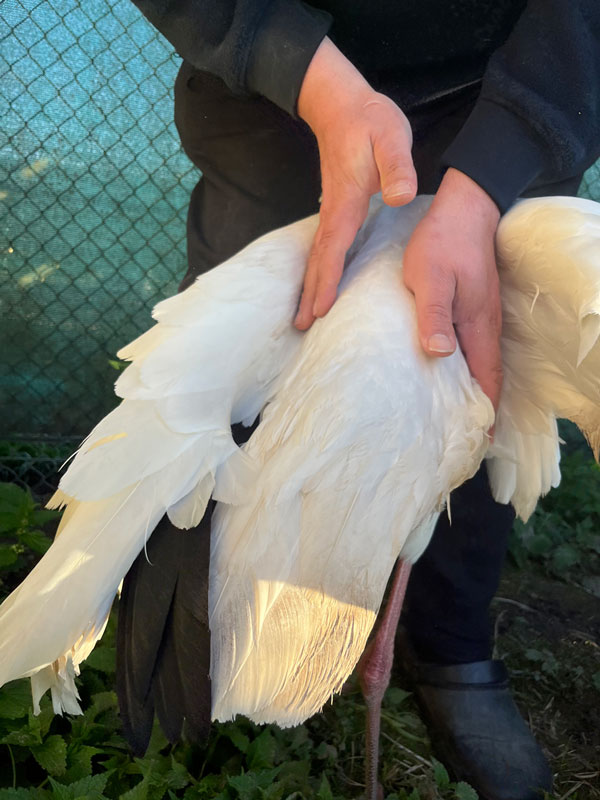
    IMG 7408 Web

  • Cranes

    IMG 7409 Web

Genetically valuable lines can be specifically preserved. Animals separated geographically or temporally can be "brought together" across generations, even if they never meet. Even sperm with lower motility could become usable thanks to new procedures – an additional safety measure for critically endangered species.

This creates a life insurance policy for species whose natural habitat is changing at an ever-increasing rate.

A promise for the future

The successful cryopreservation of crane sperm is more than just a scientific milestone. It is an act of responsibility – a promise that the trumpeting calls of cranes will still fill the skies in 100 years' time.

State-of-the-art technology meets active species conservation – so that the elegant silhouettes of cranes live on not only in stories and photographs, but also above our heads.

 Source: Prof. Dr. Thomas Hildebrandt, Dr. Susanne Holtze, Leibniz Institute for Zoo and Wildlife Research. Berlin, www.izw-berlin.de

Read more …Cranes

  • Hits: 92

ICARUS Palm Fruit Bats

The Gardeners of the Night

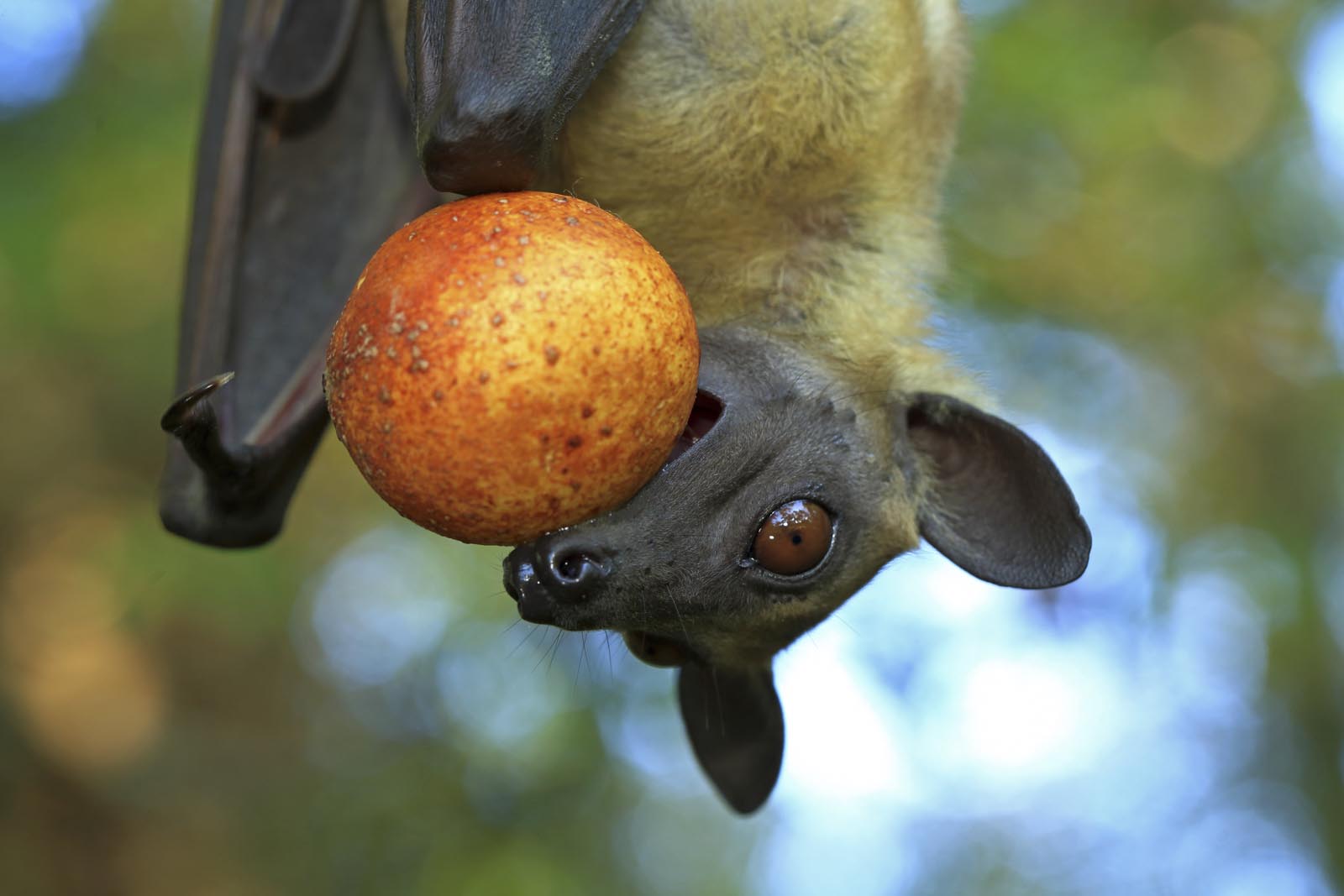
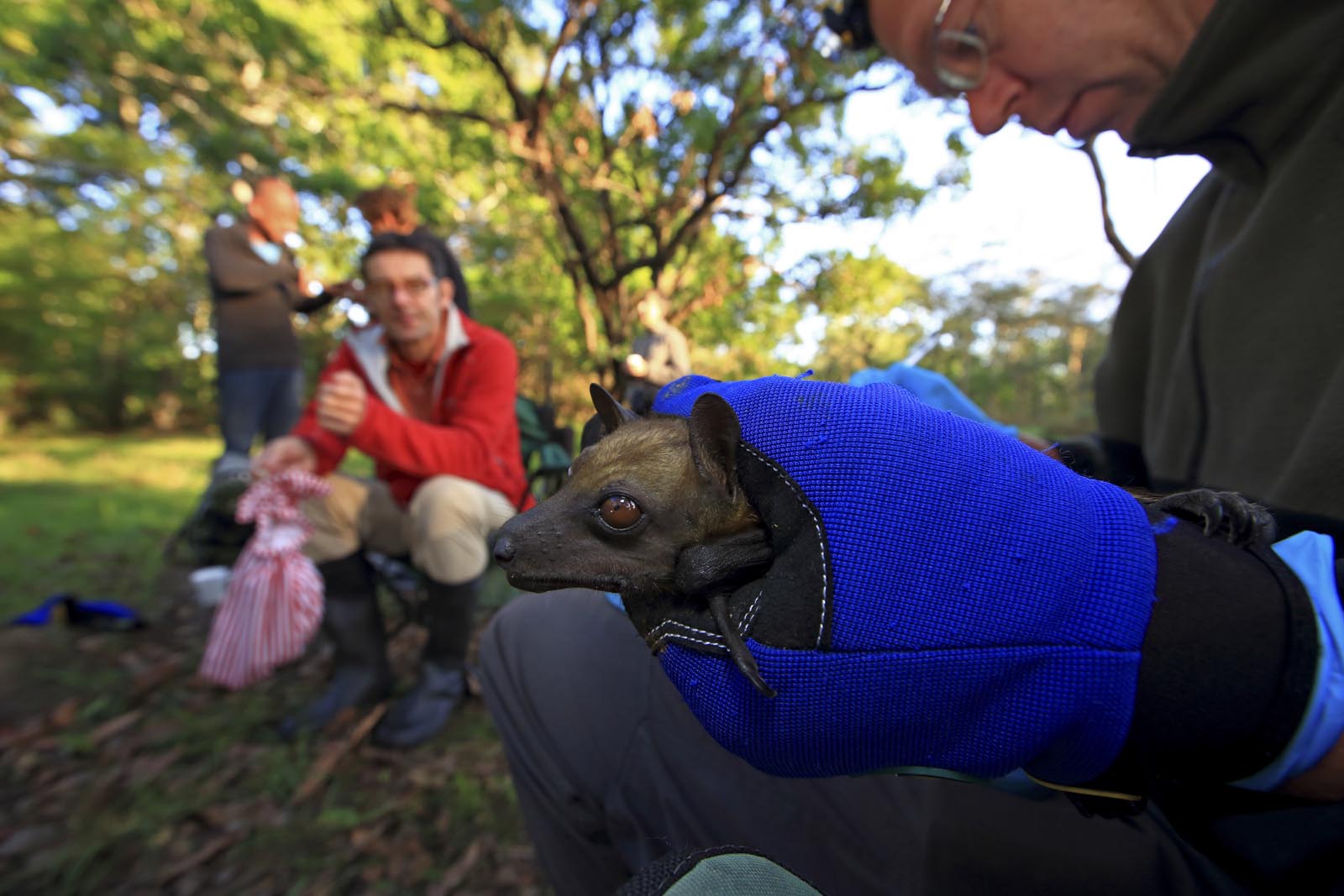
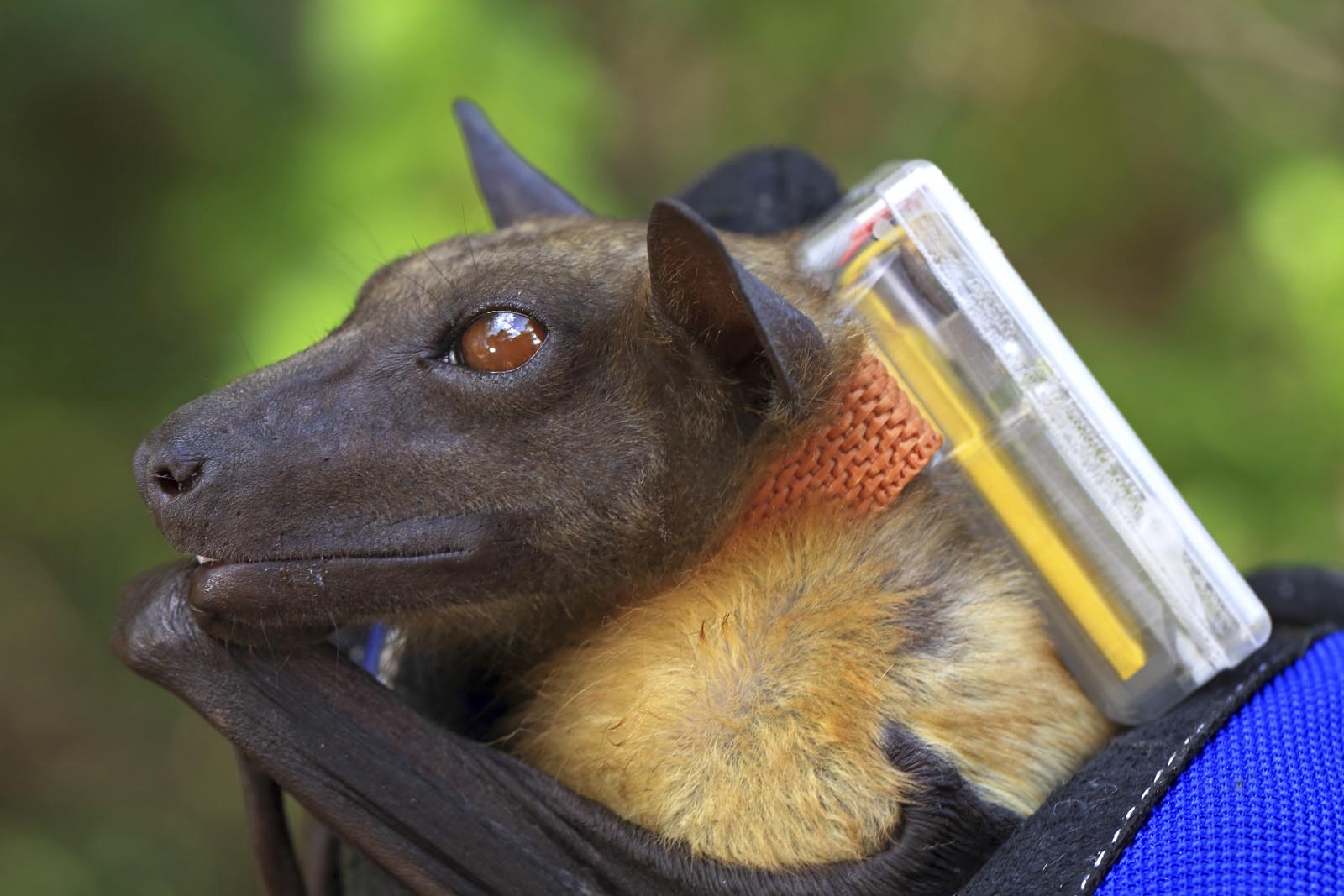
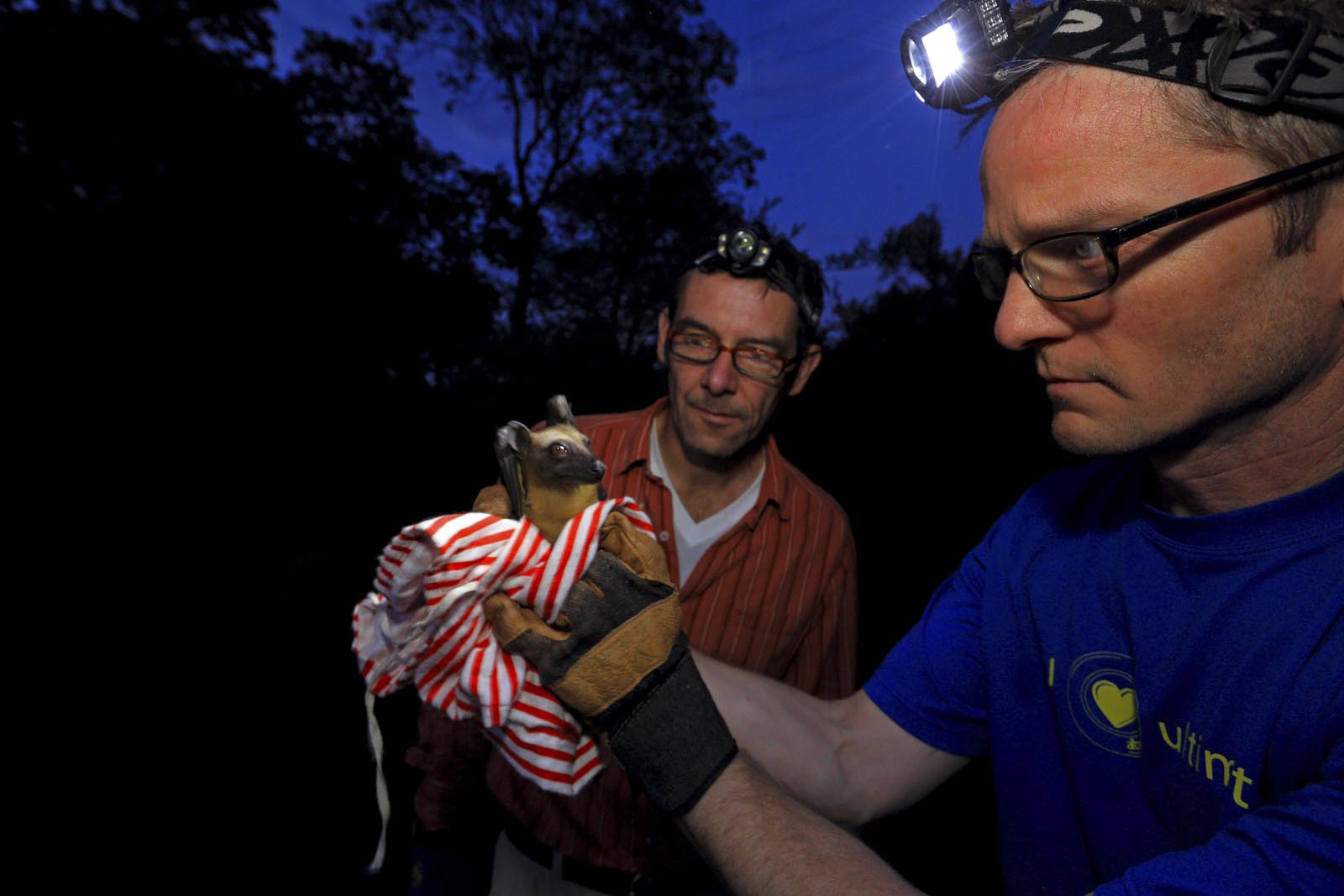
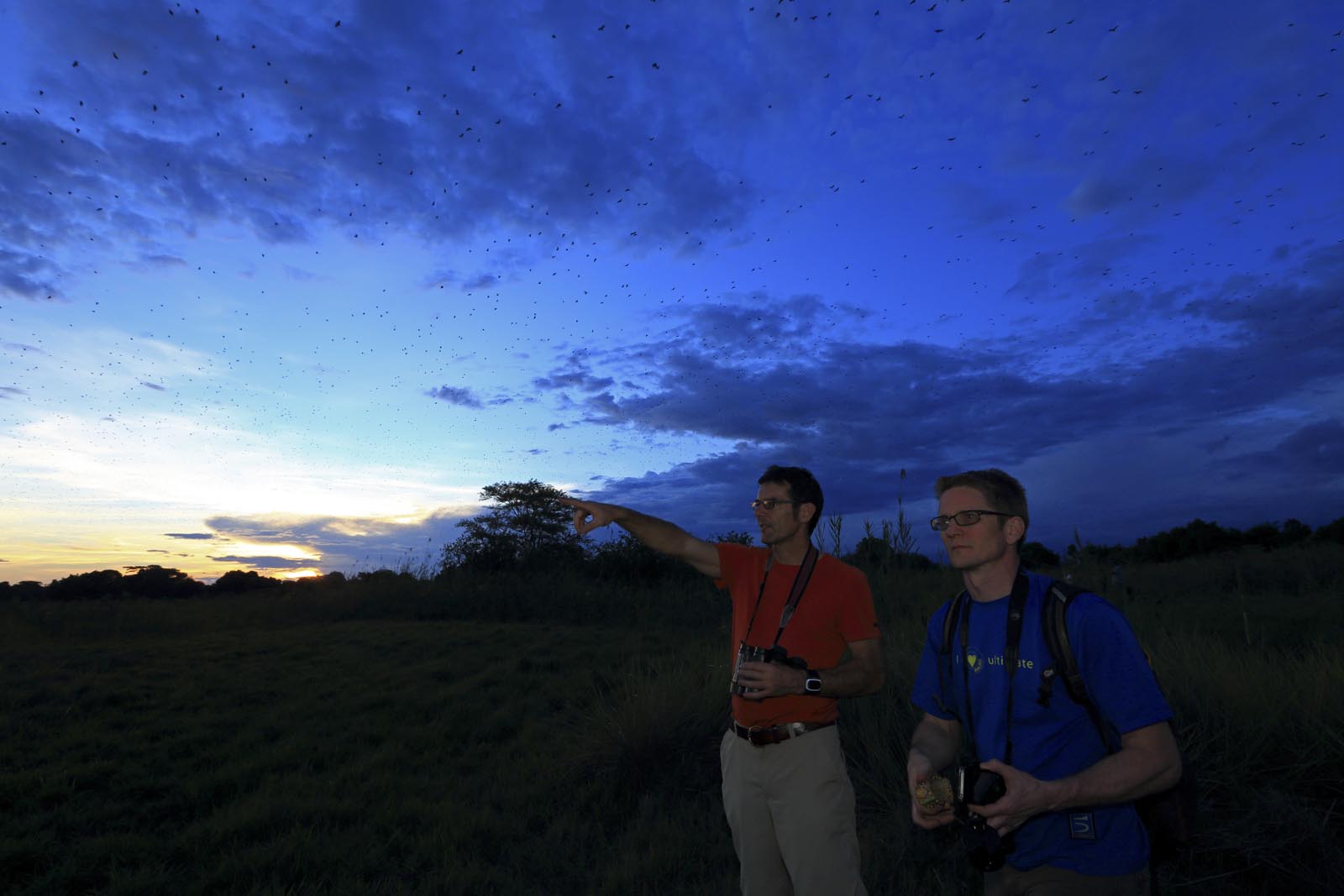
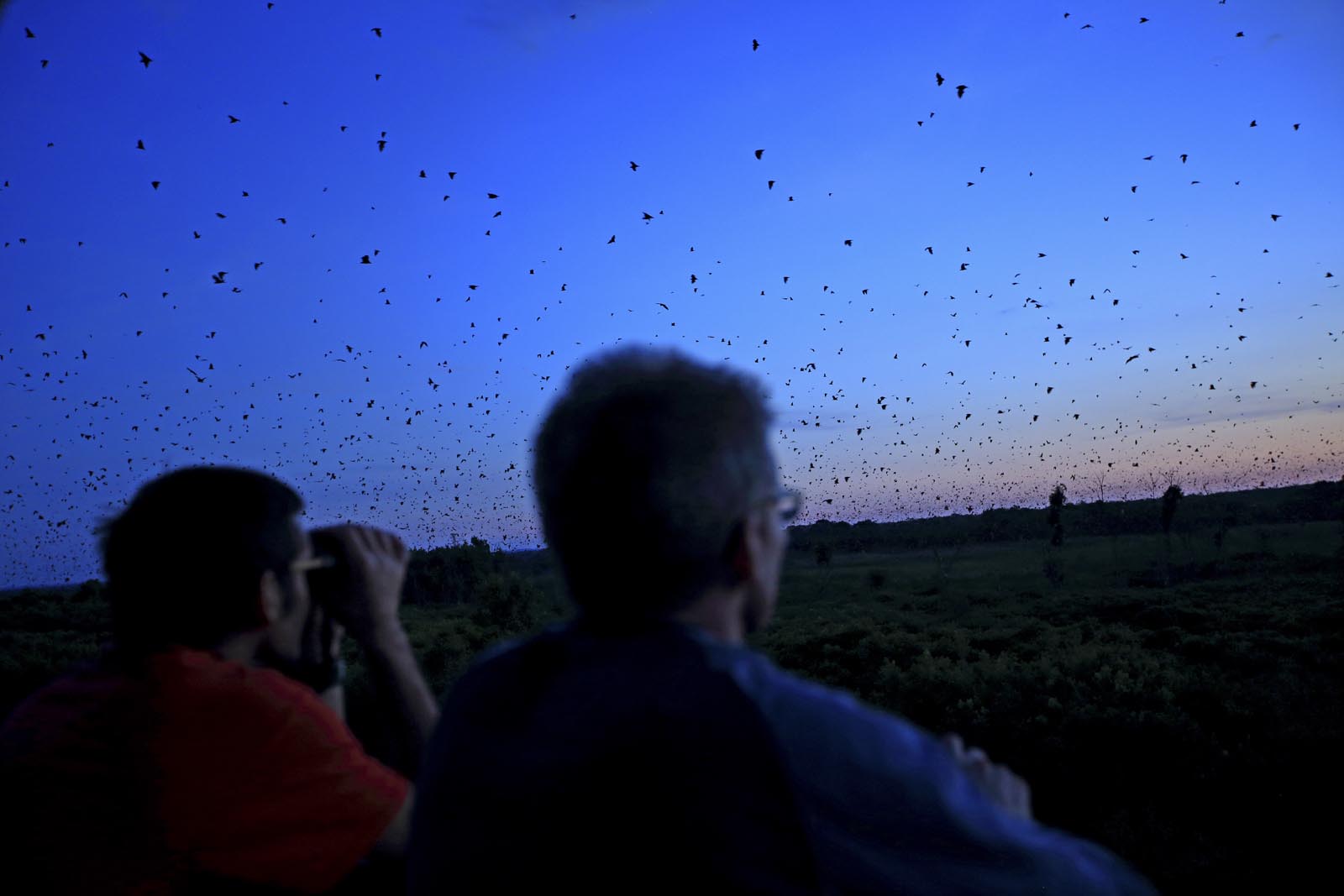
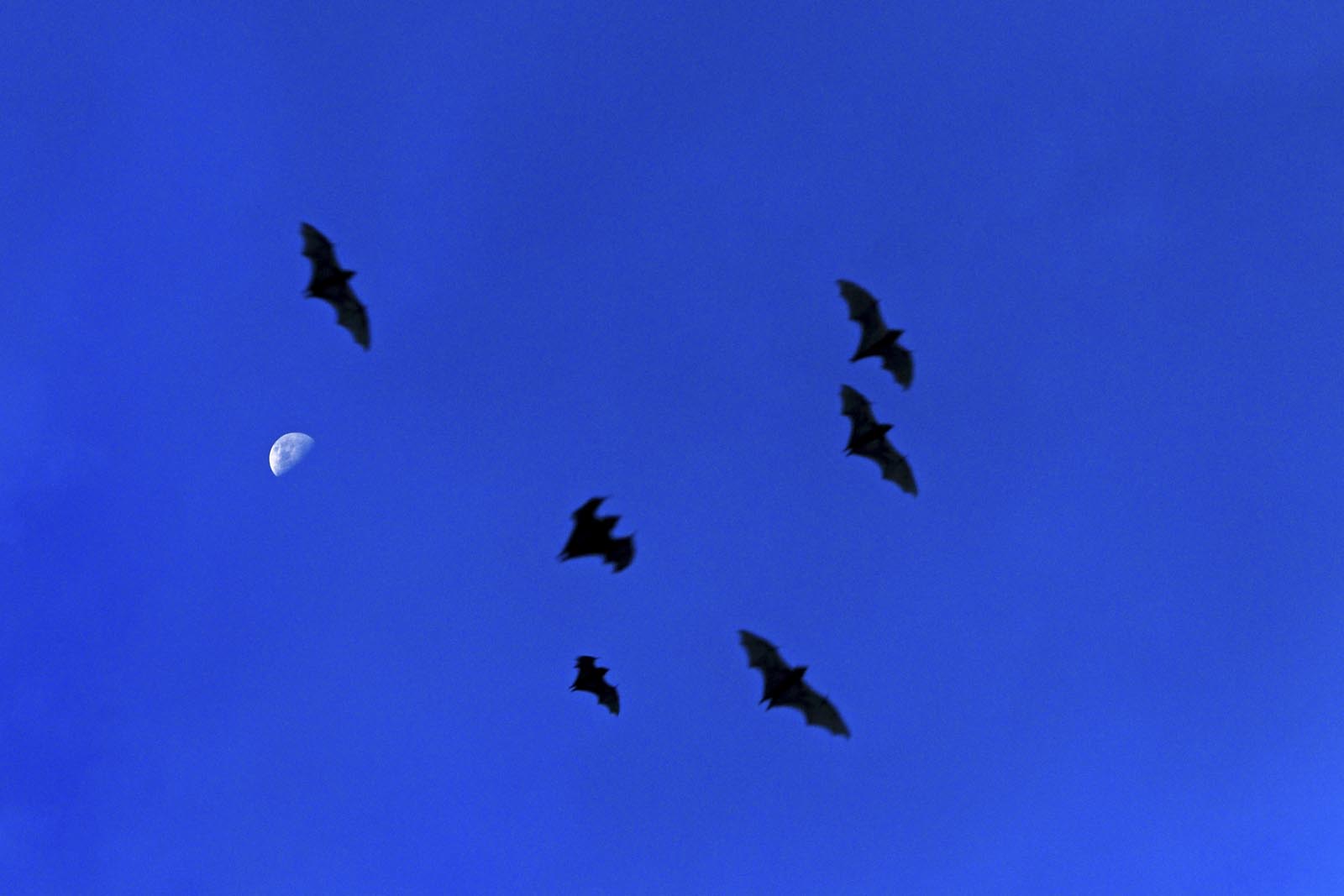
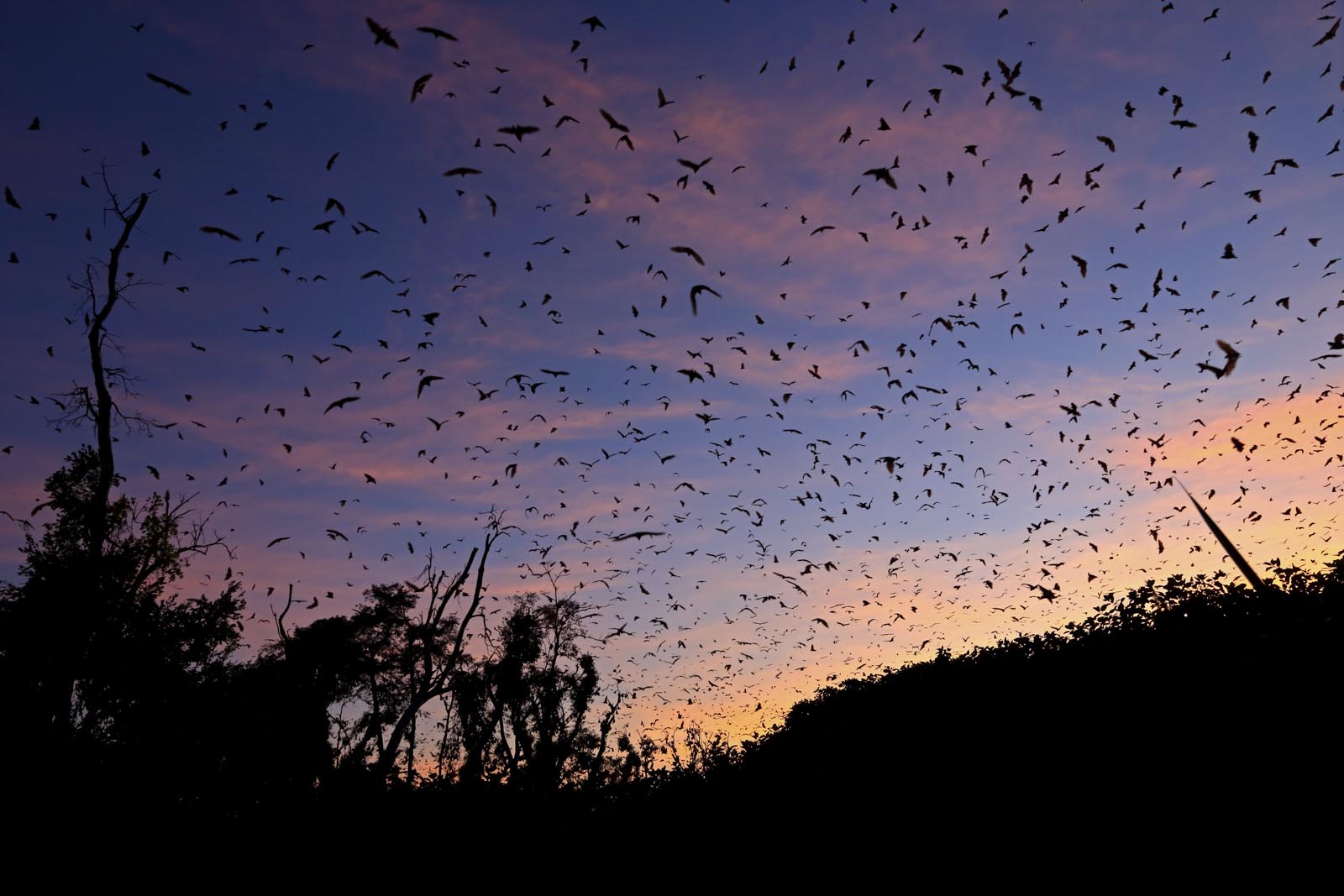
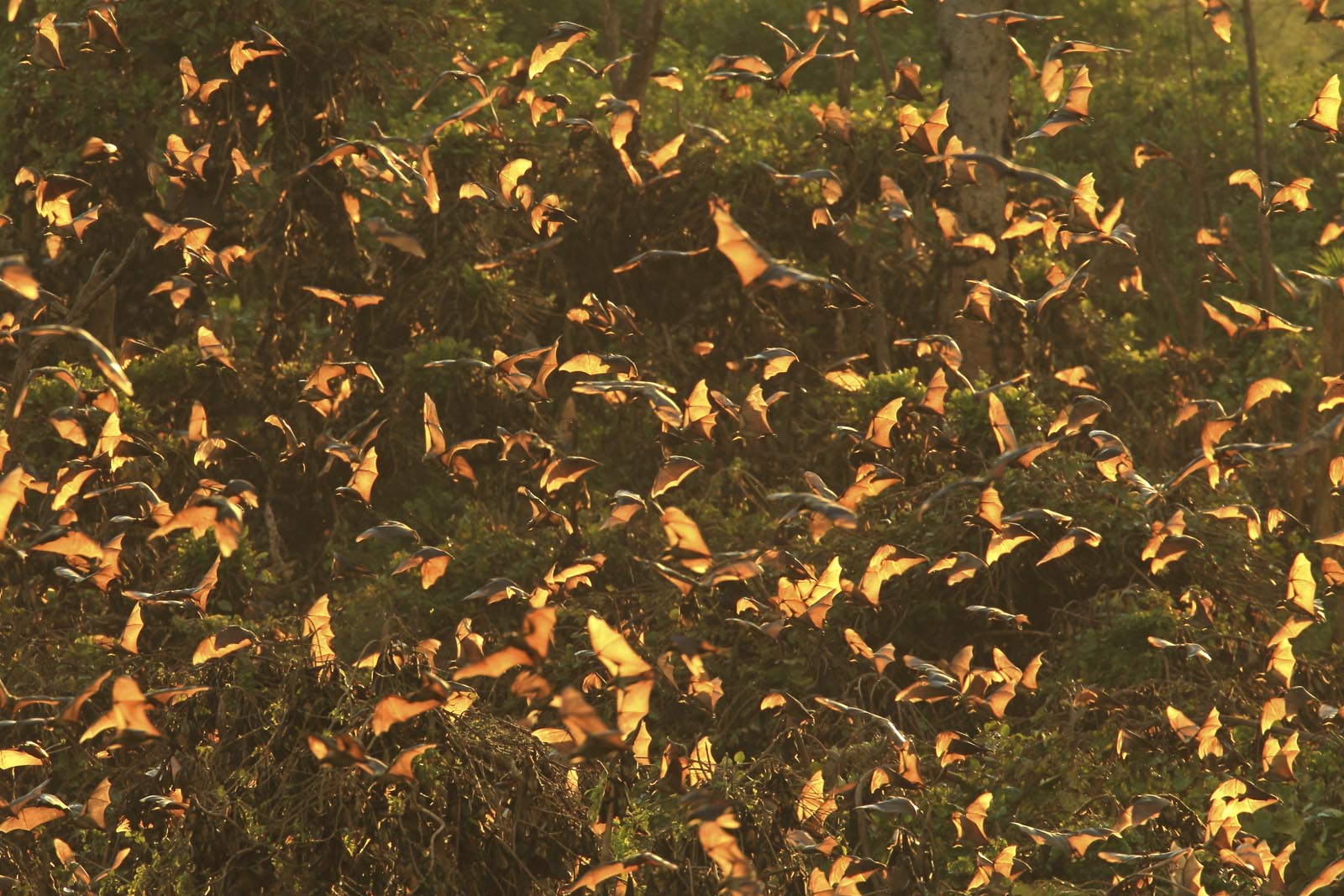
When the sun sets over Africa, the palm fruit bats awaken. Hundreds of thousands of them leave their sleeping trees and fly through the darkness in search of ripe fruit, sweet nectar and flowering trees. What appears to be a ghostly spectacle is in fact one of the most important services an animal can provide for its habitat.

  • Palm fruit bats and Project ICARUS in Africa

    08 34 099 445 A 2117

  • Palm fruit bats and Project ICARUS in Africa

    22 057 445 A 7892

  • Palm fruit bats and Project ICARUS in Africa

    20 046 445 A 0024

  • Palm fruit bats and Project ICARUS in Africa

    25 060 445 A 7994

  • Palm fruit bats and Project ICARUS in Africa

    African Fruit Bat With Tag 2 Christian Ziegler Max Planck

  • Palm fruit bats and Project ICARUS in Africa

    05 26 061 445 A 8095

  • Palm fruit bats and Project ICARUS in Africa

    15 036 445 A 6581

  • Palm fruit bats and Project ICARUS in Africa

    02 004 445 A 5740

  • Palm fruit bats and Project ICARUS in Africa

    32 088 445 A 1128

  • Palm fruit bats and Project ICARUS in Africa

    02 06 021 H 3 V 7218

  • Palm fruit bats and Project ICARUS in Africa

    07 46 145 445 A 2580

  • Palm fruit bats and Project ICARUS in Africa

    39 115 H 3 V 4794

Palm fruit bats are flying gardeners. They pollinate flowers that no one else can reach and spread seeds over dozens of kilometres – far more effectively than any bird. Without them, many African forests would slowly become impoverished, cease to regenerate and fall silent. Ecologists estimate that a single fruit bat can spread the seeds of up to 60,000 trees per night.

One particularly spectacular event takes place every November in Kasanka National Park in Zambia: up to a million palm fruit bats gather there in a few groups of trees – the largest mammal migration in Africa. No one knows why they choose this particular place or what drives them there.

And this is not an isolated case. We know alarmingly little about these animals. Where exactly do they migrate to? How are their colonies connected? What routes do they take when the dry season causes their traditional feeding grounds to dry up?

This lack of knowledge has consequences. Palm fruit bats are hunted for bush meat or driven away in many regions because they are considered pests. Yet they give humans far more than they take. They are also considered potential carriers of pathogens – which is precisely why it is so important to understand where they live and with whom they come into contact.

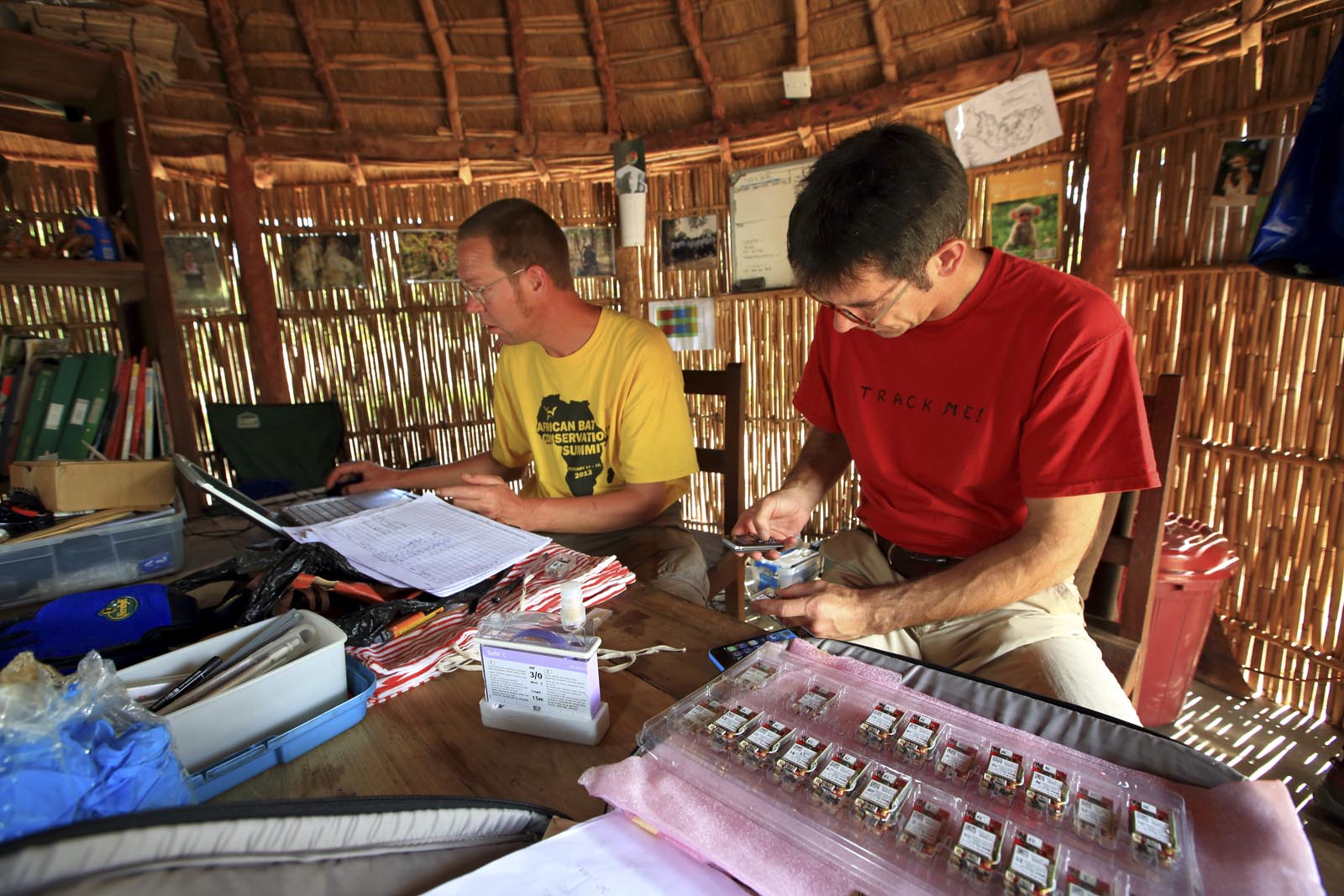
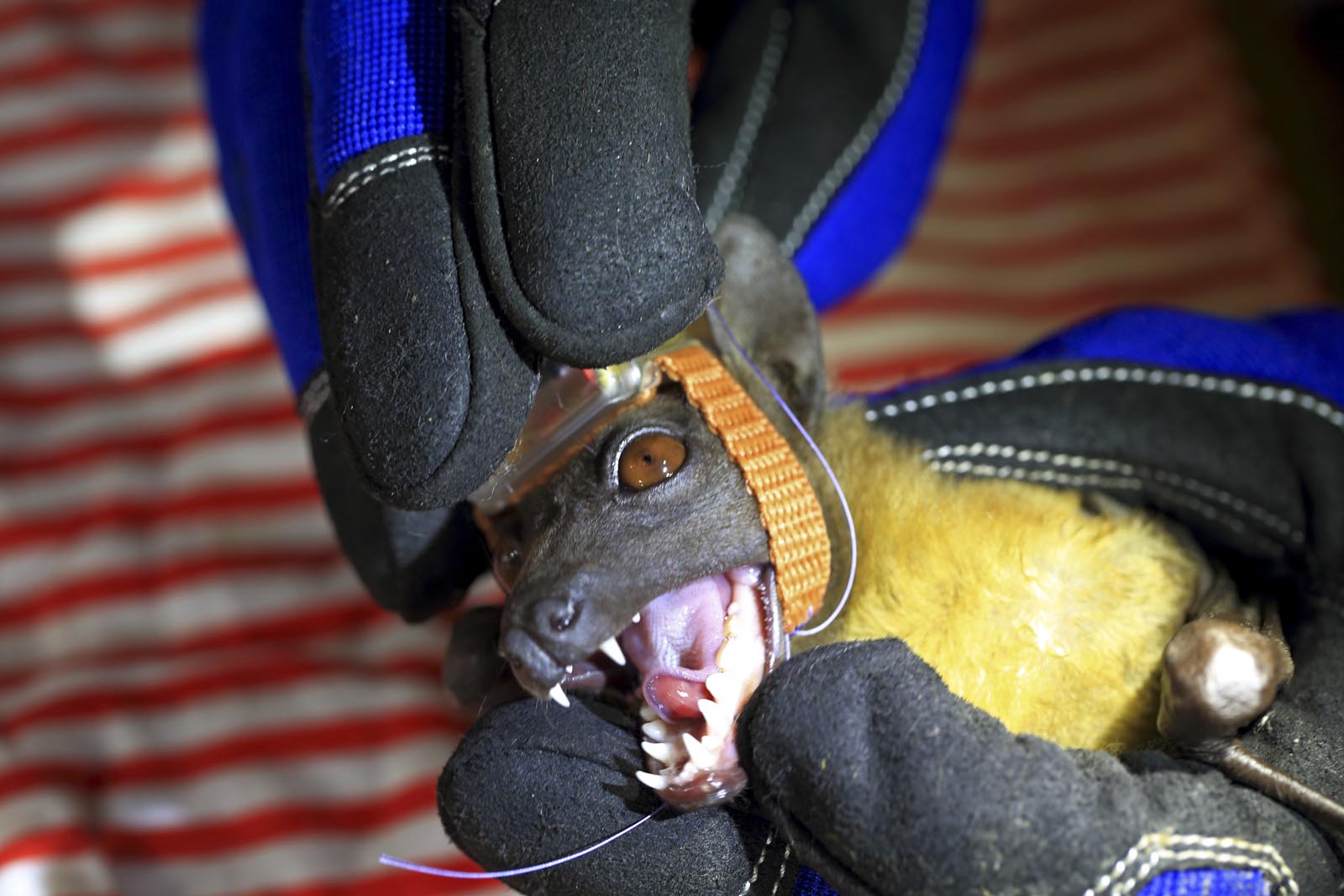
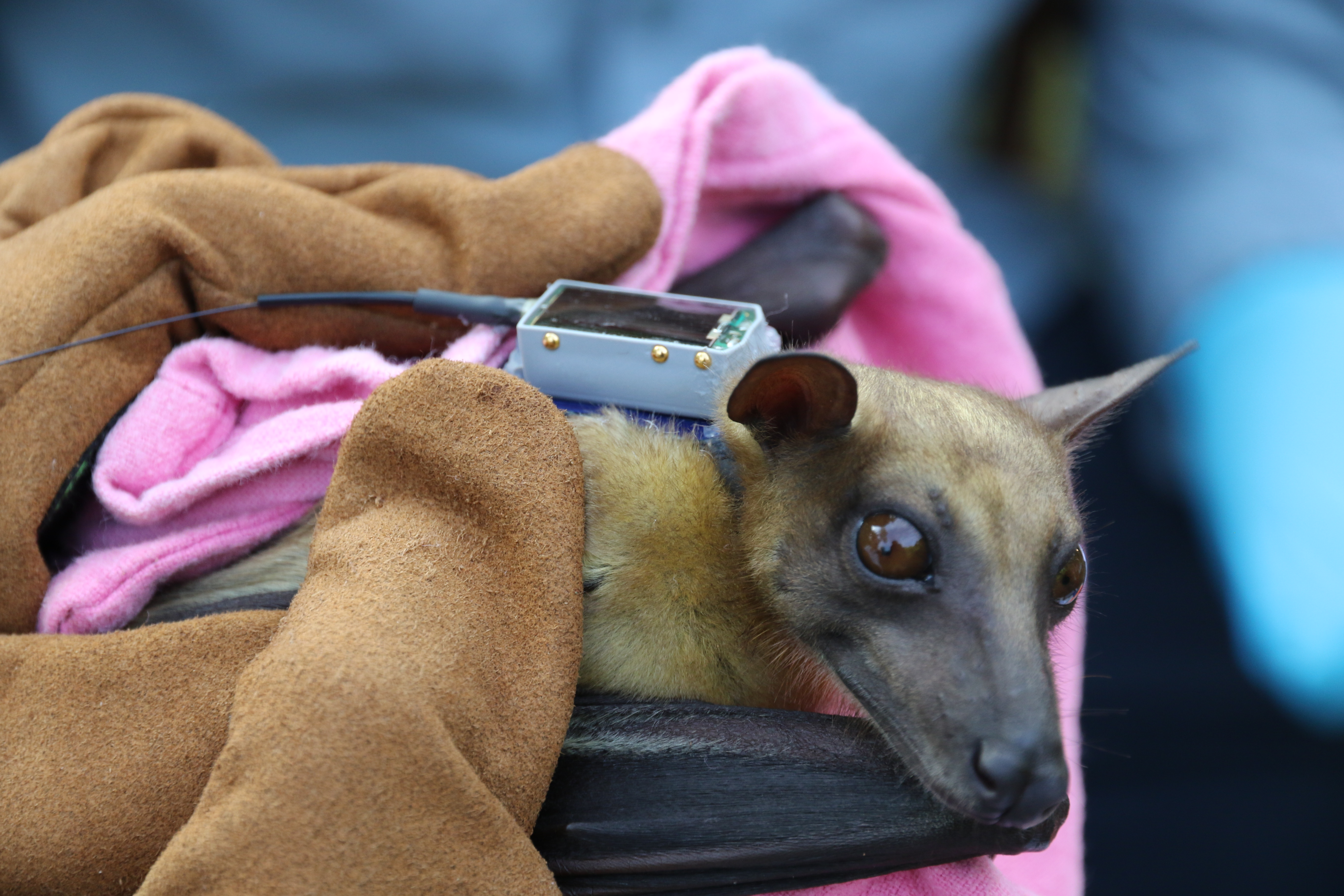
The Animal, Nature and Species Conservation Foundation therefore supports research into palm fruit bats as part of the ICARUS project. Tiny satellite transmitters are being used to track their nocturnal migrations for the first time – across the continent, even to the most remote regions. The data shows where they rest, where they feed and what dangers they encounter.

This creates an image that offers double protection: for the flying foxes themselves, whose ecological importance is finally becoming apparent, and for us humans, who are learning how closely our fate is intertwined with that of these nocturnal gardeners.

Source: Prof. Dr. Martin Wikelski, Uschi Müller, www.icarus.mpg.de

Read more …ICARUS Palm Fruit Bats

  • Hits: 90

Kraniche

Kraniche

Die Zukunft im Gefrierschrank – Wie wir Kraniche retten

Sie ziehen in perfekten V-Formationen über den Himmel, ihre trompetenden Rufe hallen durch die Luft: Kraniche. Seit Jahrtausenden verbinden diese eleganten Vögel Kontinente, verbreiten Samen und halten Ökosysteme im Gleichgewicht.

Frisch geschlüpftes Kranichküken

Frisch geschlüpftes Kranichküken

Doch ihre Zukunft steht auf dem Spiel. Von fünfzehn Kranicharten weltweit gelten die meisten als bedroht. Vom Schneekranich existieren in der Wildnis nur noch zwei schnell schrumpfende Populationen sowie einige hundert Tiere in Zuchtprogrammen. Die Ursache? Wir Menschen. Feuchtgebiete werden trockengelegt, Dämme gebaut, Bruthabitate verschwinden, Zugrouten werden verbaut.

Was die Rettung zusätzlich erschwert: Kranichsperma verliert bei künstlicher Besamung schon nach wenigen Tagen seine Befruchtungsfähigkeit. In Zuchtprogrammen entstehen oft Nachkommen aus verhaltensinkompatibler Verpaarung – wenn Tiere sich nicht akzeptieren oder zeitlich nicht zusammenpassen. Bei kleinen Populationen, in denen jedes Küken zählt, wird das zum existenziellen Problem.

Kranicheier im Brutapparat

Kranicheier im Brutapparat

Science-Fiction wird Realität: Minus 196 Grad für die Ewigkeit

Hier kommt eine Lösung ins Spiel, die nach Zukunft klingt, aber längst funktioniert: Kryokonservierung. Bei minus 196 Grad Celsius in flüssigem Stickstoff werden Spermien theoretisch unbegrenzt haltbar – ein genetisches Backup für bedrohte Arten.

Der Vorteil: Sowohl Spermiengewinnung als auch künstliche Besamung sind bei Kranichen vergleichsweise unkompliziert und schonend. Doch jede Art ist einzigartig. Damit die Kryokonservierung funktioniert, muss für jede Kranichart ein maßgeschneidertes Protokoll entwickelt werden: Welche Schutzstoffe brauchen die Spermien? Wie schnell muss eingefroren werden?

Ein mobiles Labor und eine Mission

In Gnevkow, Mecklenburg-Vorpommern, betreuen zwei private Halter 13 der 15 Kranicharten – ein weltweit nahezu einzigartiger Schatz. Gemeinsam mit ihnen entwickelt das Leibniz-Institut für Zoo- und Wildtierforschung artspezifische Protokolle zur Kryokonservierung von Spermien und zur künstlichen Besamung.

Zum Einsatz kommt ein mobiles Spermienlabor mit Gefriereinheit, Analysesystem und transportfähigen Stickstoffbehältern. Entscheidend ist ein Parameter: die Spermienmotilität nach dem Auftauen – also, wie viele Spermien sich noch bewegen. Davon hängt ab, ob lebende Küken entstehen können.

Die bisherigen Ergebnisse sind vielversprechend: Je nach Art liegen die Motilitäten der Spermien nach dem Auftauen zwischen 18 und 50 Prozent. Für den Grauen Kranich, Klunkerkranich, Schneekranich und Mönchskranich wurden bereits Ergebnisse von 30 bis 50 Prozent erreicht. Für andere Arten sind es bislang erst zehn bis 20 Prozent – hier wird weiter optimiert.

Die nächsten Schritte: Von der Probe zur Biobank

Was in den kommenden Jahren 2026 und 2027 geplant ist, klingt ambitioniert – und ist es auch:

Die Protokolle werden weiterentwickelt, besonders für Arten mit niedrigerer Motilität. Parallel entsteht am Leibniz-IZW eine Biobank für bedrohte Kranicharten – eine genetische Schatzkammer für kommende Generationen. Mit hochwertigem tiefgefrorenem Sperma werden gezielte Besamungen durchgeführt, um zu beweisen: Das funktioniert nicht nur auf dem Papier, sondern bringt echte Küken hervor.

Genetische Analysen zur Vaterschaftsbestimmung belegen die Erfolge zweifelsfrei. Gleichzeitig zeigen sie, welche Linien besonders wertvoll sind und wo Zuchtmaßnahmen am dringendsten benötigt werden. Biobanking-Standards werden etabliert, damit das System langfristig stabil und international anschlussfähig bleibt.

Warum wir dieses Projekt unterstützen

Die Kryokonservierung verändert die Möglichkeiten im Artenschutz grundlegend.

  • Kranich

    IMG 7406 Web

  • Kranich

    IMG 7408 Web

  • Kranich

    IMG 7409 Web

Genetisch wertvolle Linien können gezielt erhalten werden. Geografisch oder zeitlich getrennte Tiere lassen sich über Generationen „zusammenbringen", auch wenn sie sich nie begegnen. Selbst Spermien mit geringerer Motilität könnten durch neue Verfahren nutzbar werden – ein zusätzlicher Sicherheitsbaustein für kritisch bedrohte Arten.

So entsteht eine Lebensversicherung für Arten, deren natürlicher Lebensraum sich immer schneller verändert.

Ein Versprechen an die Zukunft

Die erfolgreiche Kryokonservierung von Kranichspermien ist mehr als ein wissenschaftlicher Meilenstein. Sie ist ein Akt der Verantwortung – ein Versprechen, dass die trompetenden Rufe der Kraniche auch in 100 Jahren noch den Himmel erfüllen.

Modernste Technologie trifft auf gelebten Artenschutz – damit die eleganten Silhouetten der Kraniche nicht nur in Geschichten und Fotos weiterleben, sondern auch über unseren Köpfen.

Quelle: Prof. Dr. Thomas Hildebrandt, Dr. Susanne Holtze, Leibniz-Institut für Zoo- und Wildtierforschung. Berlin. www.izw-berlin.de

Read more …Kraniche

  • Hits: 344
Contact

Stiftung Tier,- Natur- und Artenschutz
Erlinger Höhe 14
82346 Andechs - Germany
Telephone +49 151 74489223
Email This email address is being protected from spambots. You need JavaScript enabled to view it.

Recognised as a non-profit organisation by the Fürstenfeldbruck tax office.

About

For the Stiftung Tier,- Natur- und Artenschutz species protection always goes hand in hand with climate protection. That is why it supports animal and species protection projects worldwide and basic scientific research to promote biodiversity. It is financed from its assets and from tax-deductible donations.